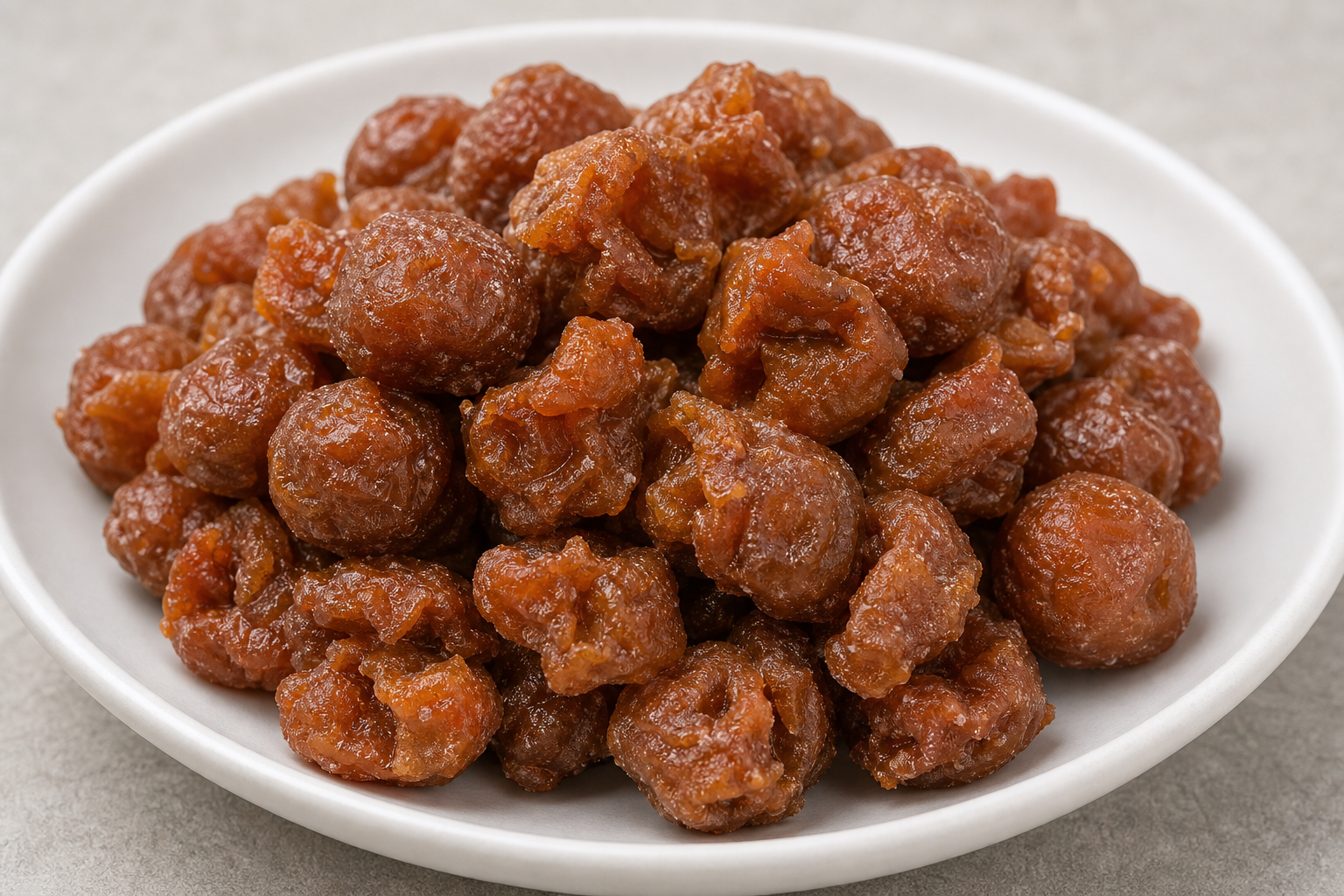
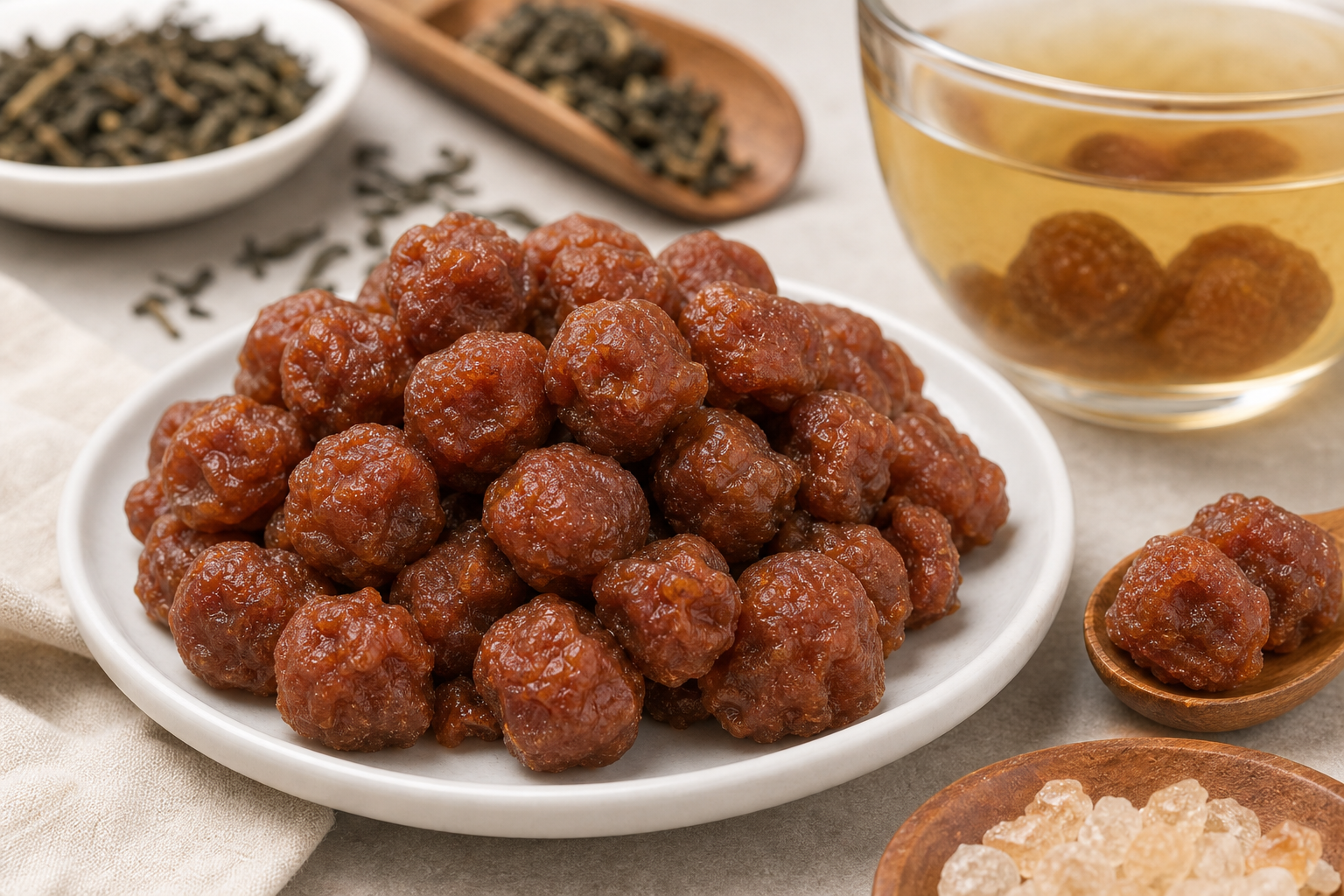
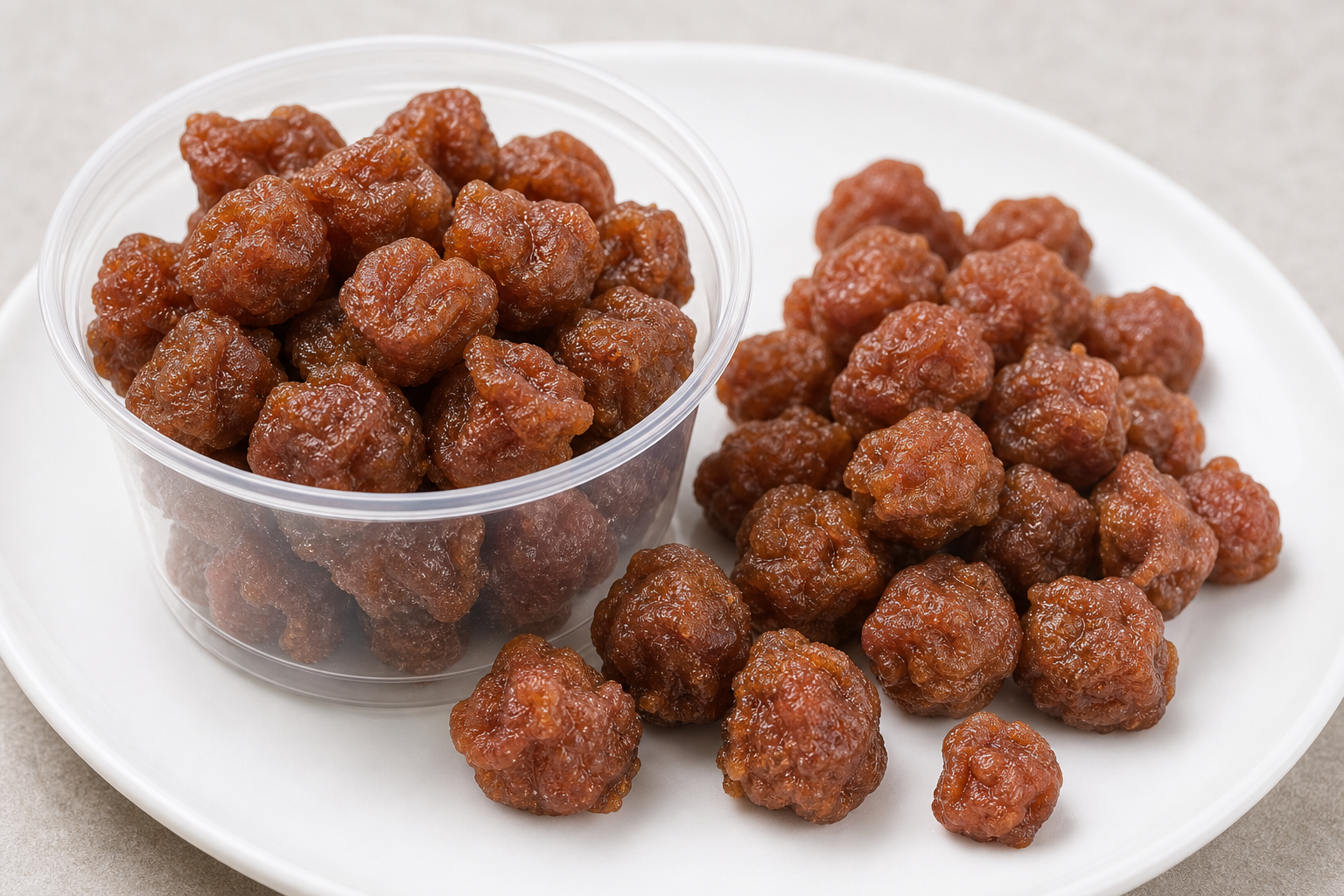
Select the pit format, then assess fruit and flavor
Start with the fruit form your application requires. Keeping a whole-fruit presentation or using the fruit in a further recipe affects both specification selection and sample evaluation. Assess samples for each pit format separately, including size range, integrity and sweet-salty balance. To explore flavor in a finished recipe, use the same recipe base for small comparative trials and record ingredient quantities and operating conditions. Development, purchasing and brand teams can then discuss the next step from a shared set of results.
Recipe trials and product development
Purchasing specifications
| Item | Details to confirm |
|---|---|
| Product form | Candied Asian plum fruit for ingredient and semi-finished uses. |
| Pit format | With-pit and pitted specifications. Identify the selected format on samples and orders, and confirm size range, fruit integrity and processing needs. |
| Trial directions | Food processing, preserved-fruit repacking development, foodservice and bakery recipes, mixed packs and private-label product development. |
| Sample priorities | Pit status, fruit size, sweetness, acidity, salt contribution, texture, net pack weight and condition after packing. Raise any required sugar or salt measurements separately. |
| Ingredients | Asian plums, sugar and salt. Check the selected product's ingredient specification and labeling documents when ordering. |
| Before processing | Before chopping, blending or preparing fillings, confirm the selected pit format, actual pit status, pit-fragment checks and suitable processing. Assess applications through buyer trials. |
Use samples to answer practical recipe questions
Ask purchasing and development teams to define the questions they need a sample to answer. These might include whether fruit size fits the intended portion, how its sweet-salty flavor works in the recipe, and whether preparation produces the desired texture. Record the specification, weight, operating conditions and outcome for each trial, retaining the sample identifier. Keep with-pit and pitted sample records separate to avoid mixing specifications during quotation or ordering.
Discuss packing around batch usage or the proposed repacking format. Share net weight, units per carton, packaging-contact requirements, label language and warehouse needs. For mixed-pack development, include the companion products and planned holding conditions. Assess surface condition after contact and ease of handling to inform packaging and capacity choices.
For a multi-product sourcing plan, define the role of Candied Asian Plums first: a processing ingredient, a repacking base or the fruit component of a recipe. List quantities and packing needs separately for each use before requesting a combined quotation. This keeps product specifications distinct and makes initial-order and replenishment requirements easier to compare.
Carry the product specification through to the order
The ingredient basis is Asian plums, sugar and salt. Match each with-pit or pitted specification to its sample and order. Record size range, acceptable appearance and the agreed method of assessing flavor, then define incoming-product checks. This gives purchasing and production teams a common reference when ordering and using the material.
For recipes involving chopping, blending, heating or fillings, describe the intended operation and equipment. Confirm pit status and suitable processing before arranging small trials. Record fruit integrity, texture and finished flavor, then assess further testing needs for the intended production scale.
Storage conditions, shelf life and management after opening follow the final product specification, packing and applicable documents. Include usage frequency, partial-pack handling and warehouse conditions in the discussion to select a pack capacity that fits everyday consumption.
Plan the first order and subsequent replenishment
As sample results become clear, bring together the first-order volume, estimated monthly usage, packaging readiness and planned production-trial date. Where branded packaging is still being finalized, discuss ingredient and packaging requirements separately. Reconcile the product, specification and quotation terms before placing the order.
B2B PROCESS
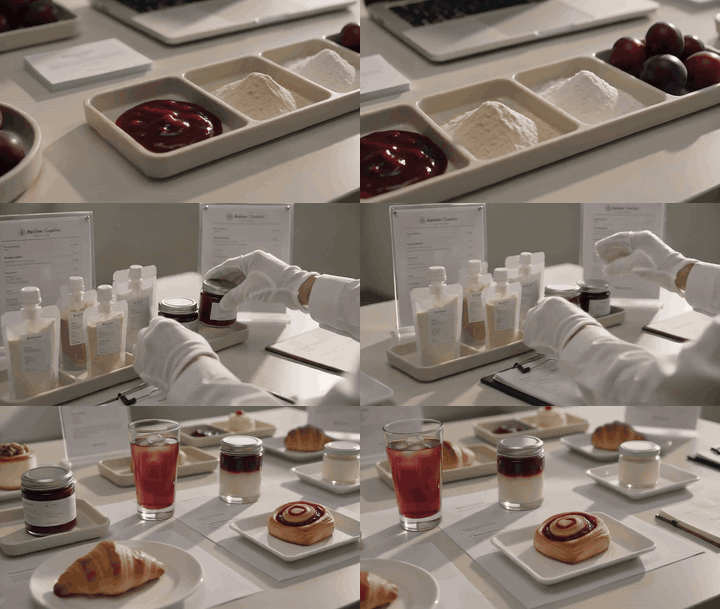
Five steps for sourcing and development
Documents and incoming-product checks
Clear product identification helps keep sample discussions and formal orders aligned. Retain the selected pit format, sample identifier, packing specification and batch-identification method in the purchasing record. For test reports or labeling documents, specify the intended use and target market, then check the product name, date and applicable scope of each document.
Candied Asian Plums: buyer questions
What are the ingredients, and is this a finished retail product?
The ingredients are Asian plums, sugar and salt, with the product positioned as an ingredient or semi-finished material. For repacked snacks or ready-to-eat products, first confirm the selected material's intended use, handling requirements and finished-product specifications, then complete packaging and labeling plans.
How should pit format be selected, especially for fillings?
Choose samples from the with-pit and pitted specifications according to the desired fruit presentation and processing needs. Before chopping, blending or preparing fillings, confirm actual pit status and suitable processing, including pit-fragment checks. Label samples separately so development trials and orders use the same specification.
Can samples be used to compare fruit size and flavor?
Ask about samples and describe the pit format, fruit size and flavor direction you want to compare, along with the quantity needed for each trial. Sample quantities, charges and shipping arrangements are confirmed separately. Assess the fruit after packing as well, and record acceptable ranges.
What should be checked for repacking or mixed-pack development?
Confirm ingredient suitability, the selected specification and finished-product requirements, then define net pack weight, mixing proportions, packaging, sealing and carton quantities. Mixed packs also need assessment of fruit condition after contact with other items. Storage requirements should be established for the final product.
Can OEM packing and custom development be discussed?
Yes. Share branding, specification or target-flavor requirements. Packing options are reviewed against volume, packaging and labeling needs. Recipe changes require a separate assessment of development feasibility, sample evaluation and purchasing conditions, so it helps to list them separately in the inquiry.
What information is needed for MOQ, lead time and pricing?
Provide the with-pit or pitted specification, intended use, net pack weight, first-order quantity and requested arrival date. MOQ, pricing and timing are confirmed against the product, packaging and order requirements. Include key dates for production trials or launch plans.
How can ingredient, labeling or testing documents be confirmed?
List the target market and required ingredient specifications, label languages, batch information or test items so Fullten can confirm available documents. Check report product names, batches and test scopes before use. Raise particular certification or measured-value requirements separately.
How are storage conditions and shelf life determined?
They follow the final product specification, packaging and applicable documents. Discuss handling after opening at the same time. Further processing or repacking into a different product requires assessment of the new recipe and packaging; keep ingredient storage information separate from the finished-product specification.
Related fruit ingredients and preserved fruits
Start with the questions your sample needs to answer
Tell us about your intended product, preferred pit format, estimated usage and packing direction. Even while the recipe is in development, you can identify the specifications and questions that matter most, then discuss samples, documents and quotation requirements with Fullten.
Contact Fullten about Candied Asian Plums

